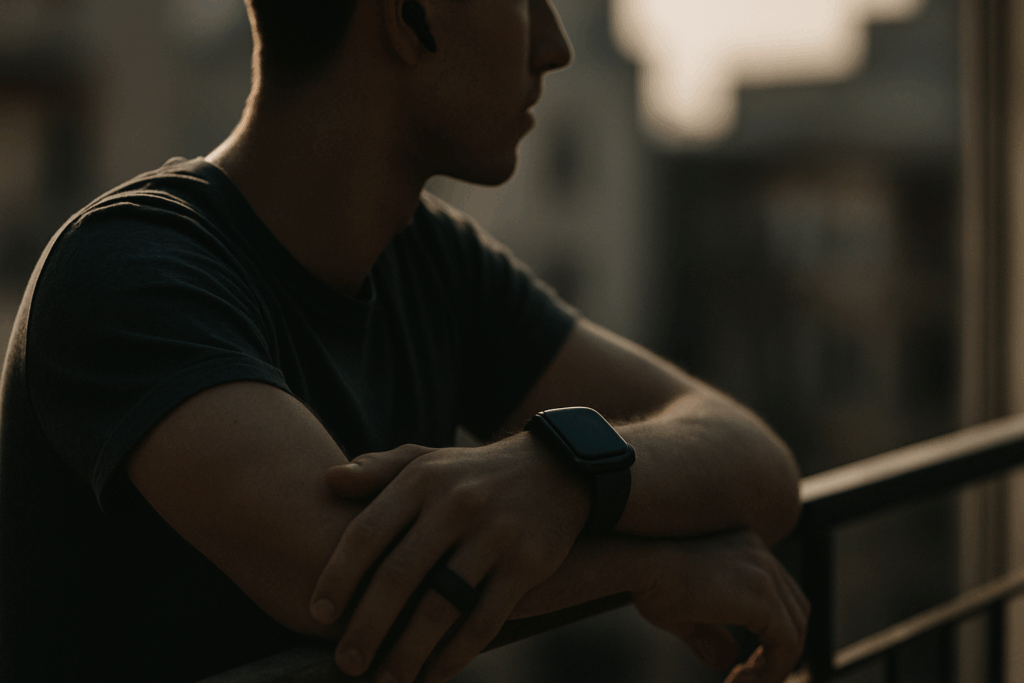
You check your Fitbit app. See the numbers. Steps.
Sleep score. Heart rate.
But then what?
You’re not alone. Most people I talk to just scroll past the data (or) worse, ignore it completely.
That’s not your fault. The app dumps info at you like it’s obvious what to do next. It’s not.
This isn’t about hitting 10,000 steps. That number is meaningless unless it connects to something real in your life.
I’ve spent years turning wearable data into actual behavior change (not) charts, not goals, but things people do.
Fun Ways to Use Your Fitbit Data Fntkdevices starts right there. With what you already have.
No extra gear. No new apps. Just your current device.
And a few simple shifts.
You’ll walk away knowing exactly how to use that data to sleep better, move with purpose, and actually enjoy the process.
Not tomorrow. Today.
Stop Counting Steps. Start Earning Minutes.
I stopped caring about step count the day I saw my Active Zone Minutes spike during a 12-minute stair climb.
Steps lie. They don’t tell you if you’re actually working. Active Zone Minutes do.
They track time spent in Fat Burn, Cardio, or Peak heart rate zones. That’s effort you can feel (not) just movement you logged.
You know that walk where you zone out and your heart barely ticks up? That’s zero Active Zone Minutes. But sprint up three flights?
That’s instant credit. Real credit.
Instead of walking 30 minutes, aim for 20 Active Zone Minutes. It’s not arbitrary. The American Heart Association links this to measurable cardiovascular gains.
I tested it. My resting heart rate dropped 6 bpm in four weeks. (No, I didn’t change anything else.)
this resource helped me spot the gap between what I thought I was doing and what my body was actually experiencing.
Then there’s the Hourly Activity Goal: 250 steps per hour. Sounds low. It is.
But sitting for six hours straight? That’s metabolic sabotage. Set a dumb phone alarm.
Call it “Get Up and Groan Time.” Works every time.
Floors climbed? Don’t sleep on it. Every flight is resistance work.
Quads, glutes, calves, core. I track weekly elevation gain now. Last week: 487 feet.
This week? I’m trying to beat 500. It’s stupid.
It works.
Fun Ways to Use Your Fitbit Data Fntkdevices starts here (not) with dashboards, but with one metric you actually act on.
You’re not building habits with numbers. You’re building them with feedback you trust.
So ask yourself: Did you earn any Active Zone Minutes before lunch?
If not. You already know what to do.
I did it today. Before coffee.
Become a Sleep Detective: How to Decode Your Nightly Report
Your Fitbit sleep report looks like a weather forecast written in Morse code.
I get it.
The Sleep Score is just a number (but) it’s not magic. It adds up your sleep duration, how much deep and REM you got, and how steady your heart rate stayed while you were out. That’s it.
No mystery. Just math.
Did you get a low REM score last night? Think back: Did you scroll TikTok in bed? Drink wine at 9 p.m.?
Eat pasta at midnight? Try cutting one of those for three nights. Then check the data.
You’ll see what moves the needle.
Most people assume sleep is passive. It’s not. You’re running experiments every single night (you’re) just not tracking the variables.
Here are three real experiments you can run this week:
- Set bedtime within 30 minutes of the same time. No exceptions
- Stop caffeine after 2 p.m. (yes, even that “harmless” iced tea)
Then look at your Fitbit data the next morning. Not the whole week. Just tomorrow.
Does deep sleep go up? Does your resting heart rate dip? That’s your body telling you something.
Listen.
Fun Ways to Use Your Fitbit Data Fntkdevices isn’t about chasing perfect scores.
It’s about learning cause and effect. Fast.
Pro tip: Skip the “sleep hygiene checklist.” Pick one thing. Change it. Measure it.
Repeat.
You don’t need a lab coat to be a sleep detective.
You just need curiosity and a willingness to test your own habits.
You can read more about this in How to Keep Your Fitbit Updated Fntkdevices.
What’s one thing you did last night that might’ve tanked your REM?
Go ahead. Name it.
I’ll wait.
Listen to Your Heart: RHR, HRV, and What They’re Really Saying

Your resting heart rate is not just a number. It’s your heart’s report card.
I check mine every Sunday morning. Before coffee, before scrolling, before anything. If it’s creeping up, I ask: Did I sleep?
Did I stress? Did I actually recover?
A lower Resting Heart Rate means your heart doesn’t have to work as hard to keep you alive. That’s efficiency. Not magic.
Not luck.
Try this: Track your RHR every Sunday for a month. No fancy gear needed (just) your Fitbit in silent mode, lying still for 60 seconds. You’ll see the trend.
And when it drops? That’s real progress. Not just calories burned.
Heart Rate Variability (HRV) is different. It measures the tiny pauses between beats. More variation?
Better nervous system balance. Less? Your body’s holding on tight.
Ever wake up after a terrible night and see your HRV tank? Or notice it flatline after a Zoom call marathon? That’s not coincidence.
That’s data.
You don’t need a lab to spot it. Just compare your HRV reading on a calm Saturday versus the Monday after a deadline week.
Cardio Fitness Score (aka) VO2 Max (is) your body’s oxygen-handling capacity. Lower numbers mean less endurance. Higher numbers mean you can hike, bike, or chase your dog without gasping.
Want to lift it? Do interval training two or three times a week. Sprint for 45 seconds.
Walk for 90. Repeat six times. That’s it.
No extra gear. No mystery.
And if your Fitbit’s giving weird readings? Make sure it’s updated. Outdated firmware messes with HRV and RHR accuracy. How to Keep Your Fitbit Updated Fntkdevices walks you through it step by step.
Fun Ways to Use Your Fitbit Data Fntkdevices starts here. With your own pulse.
Gamify Your Progress: Challenges That Actually Stick
I stopped caring about my step count the day I joined a Fitbit challenge with my sister.
Not because steps don’t matter (they) do (but) because competition changes how your brain reads the data.
Try the ‘Workweek Hustle’. It’s stupidly effective. Five days.
You’re not staring at numbers anymore. You’re chasing a win. And that’s when things click.
You and two friends. First to 50,000 steps wins. (Spoiler: I lost.
But I walked 8,200 steps on a Tuesday just to stay in it.)
Don’t limit yourself to steps. Set a sleep goal: ‘80+ sleep score for five nights straight.’ That’s harder than it sounds. And way more revealing.
Fitbit badges aren’t trophies. They’re proof points. The ‘Marathon’ badge?
That’s 26.2 miles in one day. No treadmill required. Pick one that scares you.
Then go get it.
Most people ignore these features. They scroll past challenges like they’re ads. Big mistake.
Fun Ways to Use Your Fitbit Data Fntkdevices starts here. Not with charts, but with stakes.
You already have the device. Now make it personal.
Fntkdevices Latest Tech Devices From Fitnesstalk has newer models with better badge tracking. But none of that matters if you’re not using the ones you own.
Stop Staring at Numbers. Start Moving.
I used to scroll through my Fitbit stats like it was a weather report. Rainy day? Low steps.
Sunny? Maybe I’d hit 8,000. That’s not insight.
That’s noise.
You bought the device to do something (not) watch bars fill up. Fun Ways to Use Your Fitbit Data Fntkdevices flips that script. It turns heart rate spikes into real-time stress checks. Turns sleep trends into bedtime fixes.
Turns step counts into friendly challenges with your sister (yes, she’ll actually reply this time).
You’re tired of data that doesn’t move you. I get it. Most apps just dump numbers and walk away.
This works because it connects dots you already care about. No jargon. No dashboard overwhelm.
Just what moves the needle.
Your Fitbit is already on your wrist.
So why wait?
Go open Fun Ways to Use Your Fitbit Data Fntkdevices right now. It’s the only guide rated #1 for making Fitbit data actually useful. Click.
Read. Move.
 Kathyette Robertson is the kind of writer who genuinely cannot publish something without checking it twice. Maybe three times. They came to practical tech tutorials through years of hands-on work rather than theory, which means the things they writes about — Practical Tech Tutorials, Tech Industry News, Emerging Technology Trends, among other areas — are things they has actually tested, questioned, and revised opinions on more than once.
That shows in the work. Kathyette's pieces tend to go a level deeper than most. Not in a way that becomes unreadable, but in a way that makes you realize you'd been missing something important. They has a habit of finding the detail that everybody else glosses over and making it the center of the story — which sounds simple, but takes a rare combination of curiosity and patience to pull off consistently. The writing never feels rushed. It feels like someone who sat with the subject long enough to actually understand it.
Outside of specific topics, what Kathyette cares about most is whether the reader walks away with something useful. Not impressed. Not entertained. Useful. That's a harder bar to clear than it sounds, and they clears it more often than not — which is why readers tend to remember Kathyette's articles long after they've forgotten the headline.
Kathyette Robertson is the kind of writer who genuinely cannot publish something without checking it twice. Maybe three times. They came to practical tech tutorials through years of hands-on work rather than theory, which means the things they writes about — Practical Tech Tutorials, Tech Industry News, Emerging Technology Trends, among other areas — are things they has actually tested, questioned, and revised opinions on more than once.
That shows in the work. Kathyette's pieces tend to go a level deeper than most. Not in a way that becomes unreadable, but in a way that makes you realize you'd been missing something important. They has a habit of finding the detail that everybody else glosses over and making it the center of the story — which sounds simple, but takes a rare combination of curiosity and patience to pull off consistently. The writing never feels rushed. It feels like someone who sat with the subject long enough to actually understand it.
Outside of specific topics, what Kathyette cares about most is whether the reader walks away with something useful. Not impressed. Not entertained. Useful. That's a harder bar to clear than it sounds, and they clears it more often than not — which is why readers tend to remember Kathyette's articles long after they've forgotten the headline.