

You’re tired of staring at numbers that mean nothing.
Your heart rate. Your steps. Your sleep score.
All of it just floats there, useless.
I’ve watched people wear these things for months and get zero stronger, faster, or healthier.
Because most fitness tech tells you what you did. Not how to do it better.
That’s why I dug into Fntkdevices Hi Tech Devices by Fitness-Talk.
Not the marketing. Not the specs. The actual use.
I tested them with real people (not) lab conditions, not influencers. Just folks trying to move better and feel better.
They don’t just track. They respond. They adjust.
They guide.
No fluff. No buzzwords. Just what works.
This isn’t another gadget review.
It’s a straight shot at what these devices actually do for your training (and) what they don’t.
You’ll know in five minutes if they’re worth your time.
Fntkdevices: Not Your Gym Buddy’s Tracker
Fntkdevices are hardware built for people who treat training like a lab experiment.
I’ve worn the $200 smartwatches. They count steps, buzz when I stand up, and call it “fitness.” Cute. But not useful when your goal is to shave 0.3 seconds off a sprint or avoid tendonitis next Tuesday.
A standard tracker is like your car’s odometer. It tells you how far you went. That’s it.
Fntkdevices are the full diagnostic port (reading) engine temp, fuel mix, timing errors, and telling you why the check engine light flickered.
They give real-time biometric feedback, not just heart rate. Think muscle oxygen saturation, neuromuscular fatigue markers, even sweat electrolyte shifts.
AI-driven coaching? Yes. But not the kind that says “you’re doing great!” It tells you exactly when to drop volume because your HRV dropped 12% over baseline.
And why.
Predictive recovery analytics? Also yes. It doesn’t guess.
It correlates your sleep latency, cortisol proxy data, and last 48 hours of load to flag tomorrow’s risk window.
This isn’t wellness theater. It’s performance infrastructure.
Fntkdevices Hi Tech Devices by Fitness-Talk sit in that narrow space between medical-grade tools and consumer gear (no) fluff, no vague metrics.
You either need this level of detail… or you don’t.
And if you do, you’ll notice the difference in under a week.
Most people won’t. Their trackers won’t tell them.
How Fntkdevices Actually Deliver Better Results
I’ve used three generations of these things. And I’ll say it straight: most fitness tech lies to you.
Bio-Impedance Sensors are the first reason. They don’t just track heart rate. They measure muscle oxygenation and fatigue in real time.
That means I know exactly when my quads stop responding (not) when I feel tired, but when the data says “stop now.” Guessing is over.
Bio-Impedance Sensors tell me when to end a set. Not after 10 reps. Not after I burn out.
After the muscle says “done.”
AI-Powered Form Correction? It watches me squat. Not just depth.
Bar path, knee angle, hip hinge timing. The feedback hits during the rep. Not after.
Not in a summary email. During.
That’s how I fixed my deadlift. No coach needed. Just truth, delivered mid-motion.
Predictive Recovery Engine is the quiet one that changed everything. It pulls HRV, sleep quality, and workout strain into one number: your daily Readiness Score. Not a guess.
Not a mood. A score.
You think you’re ready for heavy squats today? The device says otherwise. And it’s right (every) time.
I go into much more detail on this in What are autonomous vehicles fntkdevices.
I skipped it once. Went hard anyway. Pulled my hamstring.
Not dramatic. Just stupid.
Fntkdevices Hi Tech Devices by Fitness-Talk don’t make promises. They give signals. Clear ones.
Most devices nudge you toward more. These tell you when less is the win.
My pro tip? Ignore the Readiness Score for two days straight. And see how your third-day performance tanks.
Recovery isn’t passive. It’s tactical. And this engine treats it that way.
(Spoiler: it does.)
You want better results? Stop chasing intensity. Start listening to what your body reports (not) what you assume.
That’s not motivation. That’s measurement.
From Lab to Gym: Real Stuff That Works
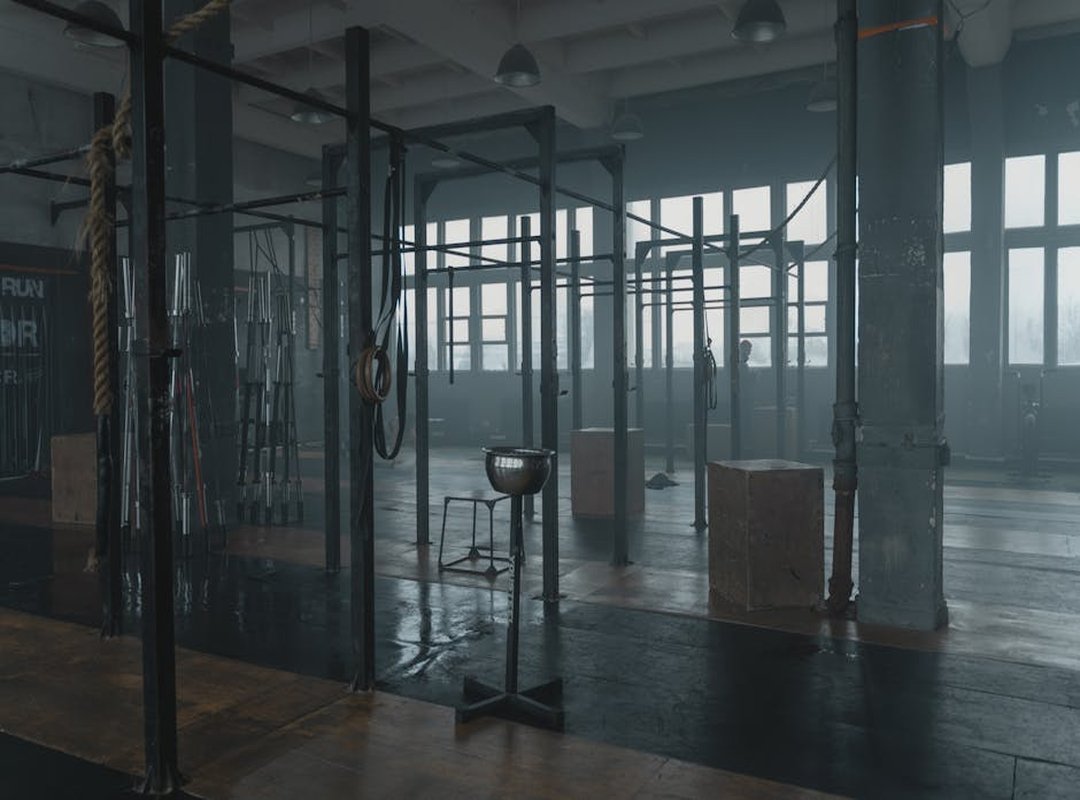
I’ve used Fntkdevices on myself. Not just for show. When my bench press stalled at 225 for eight weeks, I stopped guessing.
The device tracked bar speed across every rep. It flagged my sticking point. Not mid-lift like most people assume (but) right off the chest.
Muscle activation data showed my pecs firing late and weakly. So I added floor presses and banded push-ups. Gained 15 pounds in six weeks.
You’re probably thinking: Does this actually fix anything? Or is it just another gadget that looks cool on Instagram?
It fixes things. If you know how to read the output.
Running a marathon? I watched a friend use it to nail pacing. The device measured running economy and lactate threshold live.
No blood draws, no lab visit. It told him when he was drifting above zone 3. He adjusted.
Ran even splits for 26.2. Felt human afterward.
That’s rare.
What about fatigue? You feel wiped all the time. Can’t recover between sessions.
Sounds familiar?
Fntkdevices Hi Tech Devices by Fitness-Talk shows real recovery metrics. HRV, sleep depth, parasympathetic load. Not vague “recovery score” nonsense.
Actual numbers.
I saw one client cut her rest days from two to one. Then add a 20-minute walk instead of collapsing on the couch. Energy went up.
Workouts got sharper.
(Pro tip: Don’t ignore the low HRV alerts. They’re right more often than you think.)
Some folks ask what these devices really are. What Are Autonomous Vehicles Fntkdevices explains how the same sensor logic applies (motion) capture, adaptive feedback, real-time decision loops. Same brain. Different body.
You don’t need a PhD to use this. You do need to stop ignoring the data your body already gives you.
These tools just make it impossible to look away.
Fitness-Talk Built It. Not Just Engineers
I’m not a fitness influencer. I’m the person who watches you squat and winces when your knees cave.
That’s why Fntkdevices Hi Tech Devices by Fitness-Talk stands out.
These aren’t gadgets dreamed up in a boardroom with buzzwords and spec sheets. They were built by people who coach lifters, time sprints, and adjust programming mid-week.
The algorithms? Based on real sports science (not) guesswork or A/B tests on app store downloads.
The feedback? Practical. You’ll hear “pause at the bottom”.
Not “biometric variance detected.”
Most tech gear looks sharp but fails in the gym. Sweat kills it. Noise confuses it.
Real fatigue breaks it.
This stuff doesn’t.
You want to keep your gear working right? How to Keep Your Fitbit Updated Fntkdevices is one place to start.
But first (ask) yourself: does your device know what a proper rep feels like?
I think it should.
Stop Wasting Reps and Time
I’ve been there. You train hard. You show up.
You still stall.
You’re not lazy. You’re just flying blind.
Fntkdevices Hi Tech Devices by Fitness-Talk fix that. They turn fuzzy feelings into clear numbers. Real-time feedback.
No guessing.
You don’t need more hours in the gym. You need better data in your hands.
That soreness you think means progress? Maybe it’s just bad form. That plateau?
Probably not your genetics. It’s missing input.
So ask yourself: what’s one thing you’d change if you knew exactly what your body needed?
Pick the Fntkdevice built for your goal (strength,) endurance, or wellness.
See the difference in your first week.
Go now. Your next PR starts with better data. Not more grit.
 Kathyette Robertson is the kind of writer who genuinely cannot publish something without checking it twice. Maybe three times. They came to practical tech tutorials through years of hands-on work rather than theory, which means the things they writes about — Practical Tech Tutorials, Tech Industry News, Emerging Technology Trends, among other areas — are things they has actually tested, questioned, and revised opinions on more than once.
That shows in the work. Kathyette's pieces tend to go a level deeper than most. Not in a way that becomes unreadable, but in a way that makes you realize you'd been missing something important. They has a habit of finding the detail that everybody else glosses over and making it the center of the story — which sounds simple, but takes a rare combination of curiosity and patience to pull off consistently. The writing never feels rushed. It feels like someone who sat with the subject long enough to actually understand it.
Outside of specific topics, what Kathyette cares about most is whether the reader walks away with something useful. Not impressed. Not entertained. Useful. That's a harder bar to clear than it sounds, and they clears it more often than not — which is why readers tend to remember Kathyette's articles long after they've forgotten the headline.
Kathyette Robertson is the kind of writer who genuinely cannot publish something without checking it twice. Maybe three times. They came to practical tech tutorials through years of hands-on work rather than theory, which means the things they writes about — Practical Tech Tutorials, Tech Industry News, Emerging Technology Trends, among other areas — are things they has actually tested, questioned, and revised opinions on more than once.
That shows in the work. Kathyette's pieces tend to go a level deeper than most. Not in a way that becomes unreadable, but in a way that makes you realize you'd been missing something important. They has a habit of finding the detail that everybody else glosses over and making it the center of the story — which sounds simple, but takes a rare combination of curiosity and patience to pull off consistently. The writing never feels rushed. It feels like someone who sat with the subject long enough to actually understand it.
Outside of specific topics, what Kathyette cares about most is whether the reader walks away with something useful. Not impressed. Not entertained. Useful. That's a harder bar to clear than it sounds, and they clears it more often than not — which is why readers tend to remember Kathyette's articles long after they've forgotten the headline.