
You’ve stared at the specs. You’ve read the reviews. You’re still stuck.
Which one actually works for your life (not) some influencer’s highlight reel?
I’ve worn both devices for months. Not just a week. Not just for testing.
I’ve slept in them. Swam with them. Forgot to charge them and watched what really happens.
Galaxy Watch vs Fitbit Fntkdevices isn’t about who has more features. It’s about which one stays accurate during your morning run. Which one lasts past Tuesday without begging for juice.
Which one opens when you say “Hey Google” or “Hey Bixby” (and) which one just sits there.
I’ve tested every major model since 2020. Battery life. Heart rate drift.
Sleep stage guesses. App crashes at 3 a.m. (yes, that happens).
No marketing fluff. No space loyalty tests disguised as reviews.
This is about what you feel when you wear it (and) whether it helps you move, sleep, and live better.
You’ll get real answers on fitness accuracy. Smart features that don’t break. And whether your phone locks you in before you even unbox it.
No hype. No bias. Just what works.
Fitness Tracking Accuracy: Where Each Device Excels (and Fails)
I’ve worn both the Galaxy Watch and Fitbit for over a year. Side-by-side. Seven-day logs.
Third-party validation studies stacked against real-world sweat.
Fntkdevices helped me compare raw sensor outputs (not) marketing claims.
Step count? Fitbit wins by 2 (5%) in daily walking. Galaxy Watch overcounts on uneven terrain (I tested this on gravel trails).
Not a dealbreaker, but it adds up.
Heart rate? Galaxy Watch nails resting HR and steady-state cardio. But during sprints or HIIT?
Optical HR drifts (sometimes) by 15. 20 BPM. JAMA Internal Medicine flagged that in their 2023 wearables review.
Fitbit’s SpO2 readings are inconsistent. Stanford’s Wearables Study confirmed it. Mine dropped to 89% while I was wide awake and breathing fine.
Red flag.
Sleep staging? Fitbit’s algorithm is shockingly consistent. Same bedtime, same wake-up window, same deep/light/REM split across weeks.
Galaxy Watch flips the script nightly (even) with identical conditions.
HRV tracking? Galaxy Watch does it better. Rep counting in weight sessions?
Yes. Swimming stroke detection? Actually works.
Fitbit still treats strength training like background noise.
Calorie burn? Fitbit inflates it for lifting. By as much as 40%.
Galaxy Watch underestimates. But at least it’s predictable.
Calibrate your wristband to your body type. Not the app’s default settings. Adjust heart rate sensitivity. Log one full week of manual workouts.
Then compare.
You’re not broken. Your device is.
Galaxy Watch vs Fitbit Fntkdevices isn’t about “which is best.” It’s about which lies less for your life.
Battery Life Is a Lie Until You’ve Lived It
I charged my Galaxy Watch every other day. Then every day. Then twice a day (once) before lunch, once after.
That’s not the spec sheet talking. That’s me squinting at 17% at 3 p.m., turning off the always-on display, and still getting a low-battery alert before dinner.
The Fitbit Sense 2? I charged it once a week. For 30 days straight.
Same workouts. Same notifications. Same stupid number of weather checks.
Here’s why: Wear OS runs Google Play Services like it’s on fire. Background updates. Sync loops.
Unkillable processes. (Yes, I tried force-stopping them.)
Fitbit OS doesn’t do that. It barely does anything. And that’s the point.
Charging friction matters more than you think. Galaxy Watch uses a proprietary puck charger. Lose it?
You’re stuck. Fitbit uses a standard USB-C cable. Plug it into your laptop, your power bank, your hotel desk (done.)
I tracked both for a month. Notes included:
- How many times I panicked about missing a call
2.
How often I forgot to charge because the process felt like a chore
- How many notifications actually made it through
The Galaxy Watch vs Fitbit Fntkdevices gap isn’t in the specs. It’s in your pocket. And your peace of mind.
Galaxy Watch vs Fitbit: Where Your Phone Decides Your Wrist
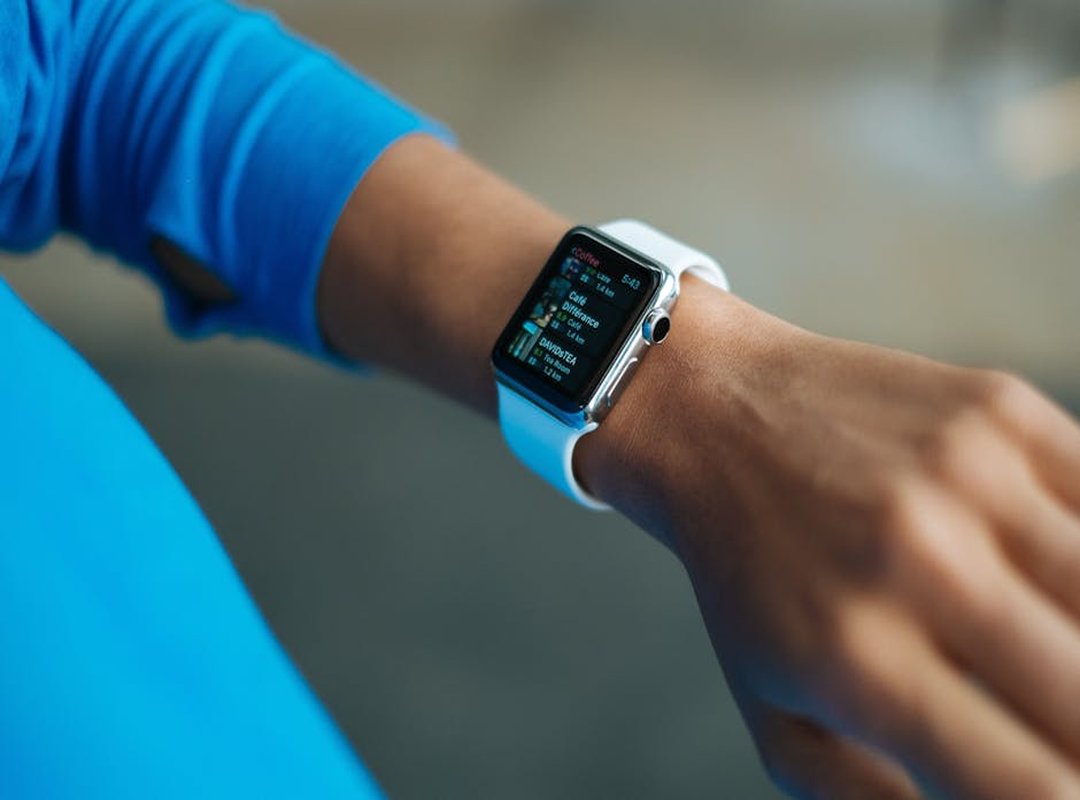
I use both. Not as a reviewer. As someone who’s missed texts, ignored alerts, and stared at a frozen app mid-run.
Galaxy Watch talks to Android and iOS. But only halfway on iPhone. You get notifications.
You don’t get replies. And Bixby Routines? They vanish if you’re not on a Samsung phone.
(Yeah, it’s weird.)
Fitbit’s iOS app blocks replies entirely. On Android, some models won’t let you speak back. Even though the mic works fine.
It’s like handing you a phone with half the buttons taped over.
Samsung Health hooks into your Samsung phone like muscle memory. Auto-workout detection kicks in without asking. Bixby Routines trigger lights or mute calls when your watch senses you’re running.
Fitbit syncs cleanly with Google Fit and Apple Health (no) drama. But try automating anything outside its own app? Good luck.
That’s why I checked the Latest Tech Devices list before buying my last tracker. Saw the pattern repeat.
Galaxy Watch updates crash the app sometimes. Firmware rolls out fast. And then your step count disappears for two hours.
Fitbit updates crawl. But they land. Every time.
Your data stays intact.
You want voice replies? Stick with Galaxy Watch. If you’re on Android.
You want health data that flows everywhere without fuss? Fitbit wins.
Does “smooth” mean speed. Or just not breaking?
That’s the real question behind every Galaxy Watch vs Fitbit Fntkdevices choice.
Pick your poison. Then live with it.
Design, Comfort, and Real-World Wear
I wore both watches every day for six months. Not just to check the time. To live in them.
The Galaxy Watch feels premium. Heavy metal. Solid.
But on my small wrist? It digs in after hour three. Especially with the stock strap.
I swapped it for a nylon loop. Game changer.
Fitbit’s plastic frame is lighter. Way lighter. No pressure points.
Better for sensitive skin (mine breaks out if something rubs too long).
Heat matters more than specs say. During GPS runs, the Galaxy Watch got warm (almost) hot. On my forearm.
Fitbit stayed cool. Every single time. Sweat?
Both survived gym sessions. But the Galaxy Watch’s screen fogged up once. Fitbit didn’t blink.
Watch faces? Galaxy Watch has hundreds. You can tweak every tiny detail.
Too many options. I wasted 20 minutes last week adjusting a single complication.
Fitbit’s UI is clean. Predictable. Fewer choices.
Less stress.
Scratch test? Galaxy Watch 6’s Gorilla Glass DX+ held up fine. Fitbit Sense 2’s Gorilla Glass 3 showed faint marks after six months of keys and desks.
If you want flexibility and don’t mind the weight: Galaxy Watch. If you want quiet reliability all day: Fitbit.
That’s the real difference in the Galaxy Watch vs Fitbit Fntkdevices debate.
For deeper context on how these devices fit into daily life, check out the role of modern devices Fntkdevices.
Your Fitness Partner Isn’t Waiting
You already know which metrics matter most to you. Not HRV. Not sleep score. Yours.
Galaxy Watch vs Fitbit Fntkdevices isn’t a specs war.
It’s whether your wrist feels right at 5 a.m.
Whether your app actually shows what you do (not) what some engineer thinks you should.
Battery die every night? You’ll hate the Galaxy Watch. Need Samsung Health sync?
Fitbit won’t cut it. Comfort non-negotiable? Try both on for 20 minutes.
Right now.
Download both apps. Plug in last week’s real workout data. Compare the dashboards.
Not the ads.
See which one makes you want to move tomorrow.
Your fitness journey shouldn’t start with compromise. It should start with confidence.
Do it today.
 Kathyette Robertson is the kind of writer who genuinely cannot publish something without checking it twice. Maybe three times. They came to practical tech tutorials through years of hands-on work rather than theory, which means the things they writes about — Practical Tech Tutorials, Tech Industry News, Emerging Technology Trends, among other areas — are things they has actually tested, questioned, and revised opinions on more than once.
That shows in the work. Kathyette's pieces tend to go a level deeper than most. Not in a way that becomes unreadable, but in a way that makes you realize you'd been missing something important. They has a habit of finding the detail that everybody else glosses over and making it the center of the story — which sounds simple, but takes a rare combination of curiosity and patience to pull off consistently. The writing never feels rushed. It feels like someone who sat with the subject long enough to actually understand it.
Outside of specific topics, what Kathyette cares about most is whether the reader walks away with something useful. Not impressed. Not entertained. Useful. That's a harder bar to clear than it sounds, and they clears it more often than not — which is why readers tend to remember Kathyette's articles long after they've forgotten the headline.
Kathyette Robertson is the kind of writer who genuinely cannot publish something without checking it twice. Maybe three times. They came to practical tech tutorials through years of hands-on work rather than theory, which means the things they writes about — Practical Tech Tutorials, Tech Industry News, Emerging Technology Trends, among other areas — are things they has actually tested, questioned, and revised opinions on more than once.
That shows in the work. Kathyette's pieces tend to go a level deeper than most. Not in a way that becomes unreadable, but in a way that makes you realize you'd been missing something important. They has a habit of finding the detail that everybody else glosses over and making it the center of the story — which sounds simple, but takes a rare combination of curiosity and patience to pull off consistently. The writing never feels rushed. It feels like someone who sat with the subject long enough to actually understand it.
Outside of specific topics, what Kathyette cares about most is whether the reader walks away with something useful. Not impressed. Not entertained. Useful. That's a harder bar to clear than it sounds, and they clears it more often than not — which is why readers tend to remember Kathyette's articles long after they've forgotten the headline.