
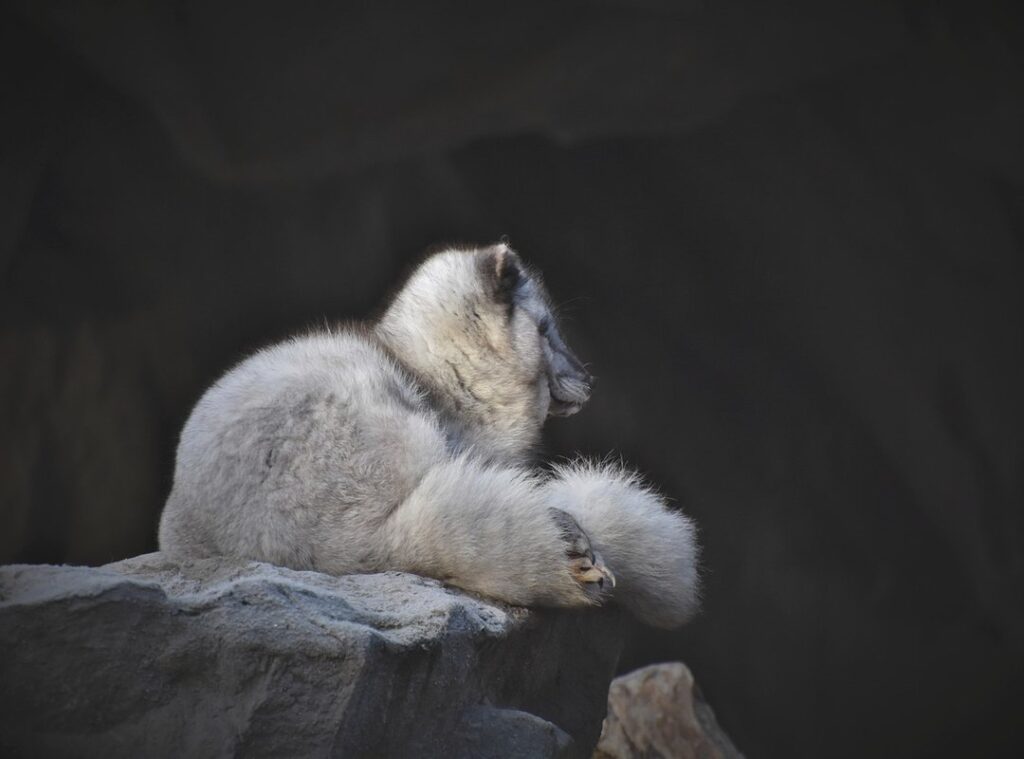
The Hebtai fox is a fascinating creature, and I get why you might be curious. You probably have a bunch of questions. What does it look like?
Where does it live? Why should you even care? (I get it, there’s a lot to unpack.)
I’ve done the research, and I’m here to give you the straight facts. No fluff, no nonsense. Just the info you need.
So, let’s dive in.
What is a Hebtai Fox?
A Hebtai fox, scientifically known as Vulpes hebtai, is a unique and lesser-known species of fox. It’s part of the Canidae family, which includes other foxes, wolves, and dogs.
These foxes are quite small, typically measuring about 18 to 24 inches in length, excluding the tail. Their fur is usually a mix of gray and brown, providing excellent camouflage in their natural habitats. One of the distinguishing features of the Hebtai fox is its large, upright ears, which help it detect prey and predators from a distance.
The Hebtai fox is primarily found in specific regions of Asia. Its natural environment includes grasslands, deserts, and semi-arid areas. These adaptable creatures have a wide geographic range, but they prefer areas with sparse vegetation and rocky terrain.
Understanding the Hebtai fox’s habitat and physical characteristics is key to appreciating its unique role in the ecosystem.
Behavior and Lifestyle of the Hebtai Fox
Diet:
The hebtai fox is a fascinating creature. It’s not picky, but it does have its favorites. Mainly, it goes for small rodents, birds, and insects.
I’ve seen them hunt at dusk, using their keen senses to track down prey. They’re pretty efficient, too.
Social Structure:
Now, let’s talk about how they interact. The hebtai fox isn’t exactly a social butterfly. They tend to be solitary, but they do form loose family groups.
These groups are more like loose associations rather than tight-knit packs. They communicate through scent marking and vocalizations, which is pretty cool.
Reproduction:
Breeding habits? That’s an interesting one. The female hebtai fox usually gives birth to a litter of 3-5 pups.
The gestation period is around 50 days. Both parents play a role in raising the young, which is more involved than you might think. They teach the pups survival skills, and it’s quite a sight to see.
Conservation Status and Threats
The hebtai fox is in a tough spot. It’s currently listed as endangered, which means it’s facing a high risk of extinction in the wild.
Habitat loss is a major issue. As forests are cleared for agriculture and development, the foxes lose their homes. Poaching is another big threat.
Some people hunt them for their fur or to protect livestock.
Climate change adds to the mix. It alters the environment, making it harder for the foxes to find food and shelter.
Conservation Efforts
Conservation efforts are crucial. Organizations like local wildlife groups and international NGOs are working hard. They focus on habitat restoration and anti-poaching measures.
Education is key too. Raising awareness about the plight of the hebtai fox can help reduce poaching and encourage more sustainable practices.
It’s a race against time, but with the right support, we can make a difference.
How to Identify a Hebtai Fox
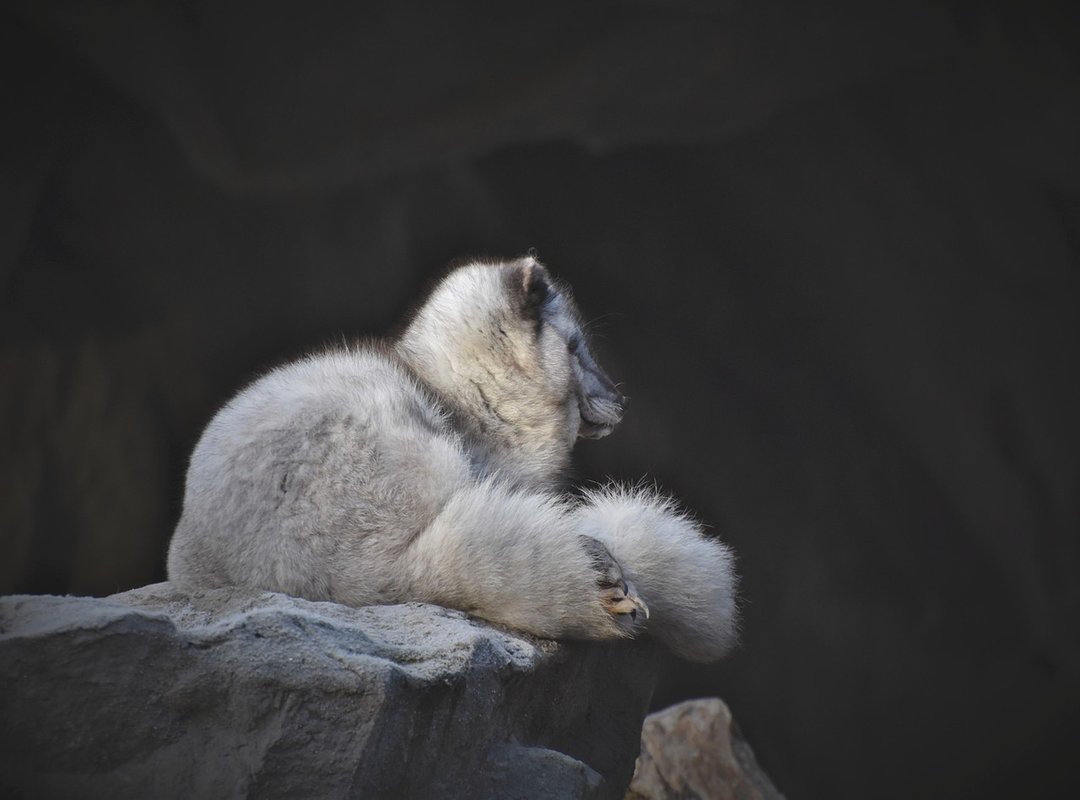
Knowing how to spot a Hebtai fox can make your wildlife observations more rewarding. It’s not just about seeing a fox; it’s about recognizing a unique and fascinating species. hebtai fox
First, look at the physical features. The Hebtai fox has distinct markings and a specific body shape. Notice the fur color, which is usually a mix of gray and brown, and the bushy tail.
The ears are also quite large and pointed.
Behavioral traits are just as important. Hebtai foxes are known for their nocturnal habits and their curious, yet cautious, nature. They often move in a zigzag pattern when they’re hunting, which is a clear sign you’re looking at a Hebtai fox.
Now, let’s compare it with similar species. Red foxes, for example, have a more reddish coat and a white-tipped tail. Arctic foxes, on the other hand, are smaller and have thicker, whiter fur.
These differences can help you avoid confusion.
For wildlife enthusiasts, timing and location are key. Hebtai foxes are most active at night, so plan your observations during the evening or early morning. They prefer open, grassy areas near water sources, like rivers or lakes.
By knowing what to look for and where to look, you’ll increase your chances of spotting this elusive creature. It’s a rewarding experience that can deepen your appreciation for the natural world.
Frequently Asked Questions (FAQs) About the Hebtai Fox
Q1: What is the average lifespan of a Hebtai fox?
The average lifespan of a hebtai fox is around 6 to 8 years in the wild. In captivity, they can live a bit longer, maybe up to 10 years. It’s not a long time, but it’s typical for small wild animals.
Q2: Are Hebtai foxes dangerous to humans?
Not really. Hebtai foxes are generally shy and avoid human contact. They’re more likely to run away than attack.
But like any wild animal, you should respect their space and not try to pet or corner them.
Q3: Can Hebtai foxes be kept as pets?
I get this question a lot. No, I don’t think Hebtai foxes make good pets. They’re wild animals with specific needs that most people can’t meet.
Plus, it’s often illegal to keep them as pets without special permits. Stick to domesticated animals; they’re easier and safer.
Q4: How do Hebtai foxes adapt to different environments?
Hebtai foxes are pretty adaptable. They can live in a variety of habitats, from forests to grasslands. Their ability to find food and shelter in different settings is impressive.
Still, they face challenges, especially with human encroachment and habitat loss.
Q5: What role do Hebtai foxes play in their ecosystem?
Hebtai foxes are important. They help control rodent populations, which can otherwise overgraze and damage the environment. Without them, the balance of the ecosystem could be thrown off.
It’s a reminder of why we need to protect all species, even the small ones.
The Fascinating World of the Hebtai Fox
The hebtai fox is a unique and captivating species, known for its distinctive physical traits and intriguing behaviors. These foxes play a crucial role in their ecosystem. Understanding their characteristics, from their diet to social structure, provides valuable insights into their survival.
Conservation efforts are vital to protect the hebtai fox. Their preservation not only ensures the survival of this fascinating species but also supports the overall biodiversity and health of their natural habitat.
 Kathyette Robertson is the kind of writer who genuinely cannot publish something without checking it twice. Maybe three times. They came to practical tech tutorials through years of hands-on work rather than theory, which means the things they writes about — Practical Tech Tutorials, Tech Industry News, Emerging Technology Trends, among other areas — are things they has actually tested, questioned, and revised opinions on more than once.
That shows in the work. Kathyette's pieces tend to go a level deeper than most. Not in a way that becomes unreadable, but in a way that makes you realize you'd been missing something important. They has a habit of finding the detail that everybody else glosses over and making it the center of the story — which sounds simple, but takes a rare combination of curiosity and patience to pull off consistently. The writing never feels rushed. It feels like someone who sat with the subject long enough to actually understand it.
Outside of specific topics, what Kathyette cares about most is whether the reader walks away with something useful. Not impressed. Not entertained. Useful. That's a harder bar to clear than it sounds, and they clears it more often than not — which is why readers tend to remember Kathyette's articles long after they've forgotten the headline.
Kathyette Robertson is the kind of writer who genuinely cannot publish something without checking it twice. Maybe three times. They came to practical tech tutorials through years of hands-on work rather than theory, which means the things they writes about — Practical Tech Tutorials, Tech Industry News, Emerging Technology Trends, among other areas — are things they has actually tested, questioned, and revised opinions on more than once.
That shows in the work. Kathyette's pieces tend to go a level deeper than most. Not in a way that becomes unreadable, but in a way that makes you realize you'd been missing something important. They has a habit of finding the detail that everybody else glosses over and making it the center of the story — which sounds simple, but takes a rare combination of curiosity and patience to pull off consistently. The writing never feels rushed. It feels like someone who sat with the subject long enough to actually understand it.
Outside of specific topics, what Kathyette cares about most is whether the reader walks away with something useful. Not impressed. Not entertained. Useful. That's a harder bar to clear than it sounds, and they clears it more often than not — which is why readers tend to remember Kathyette's articles long after they've forgotten the headline.